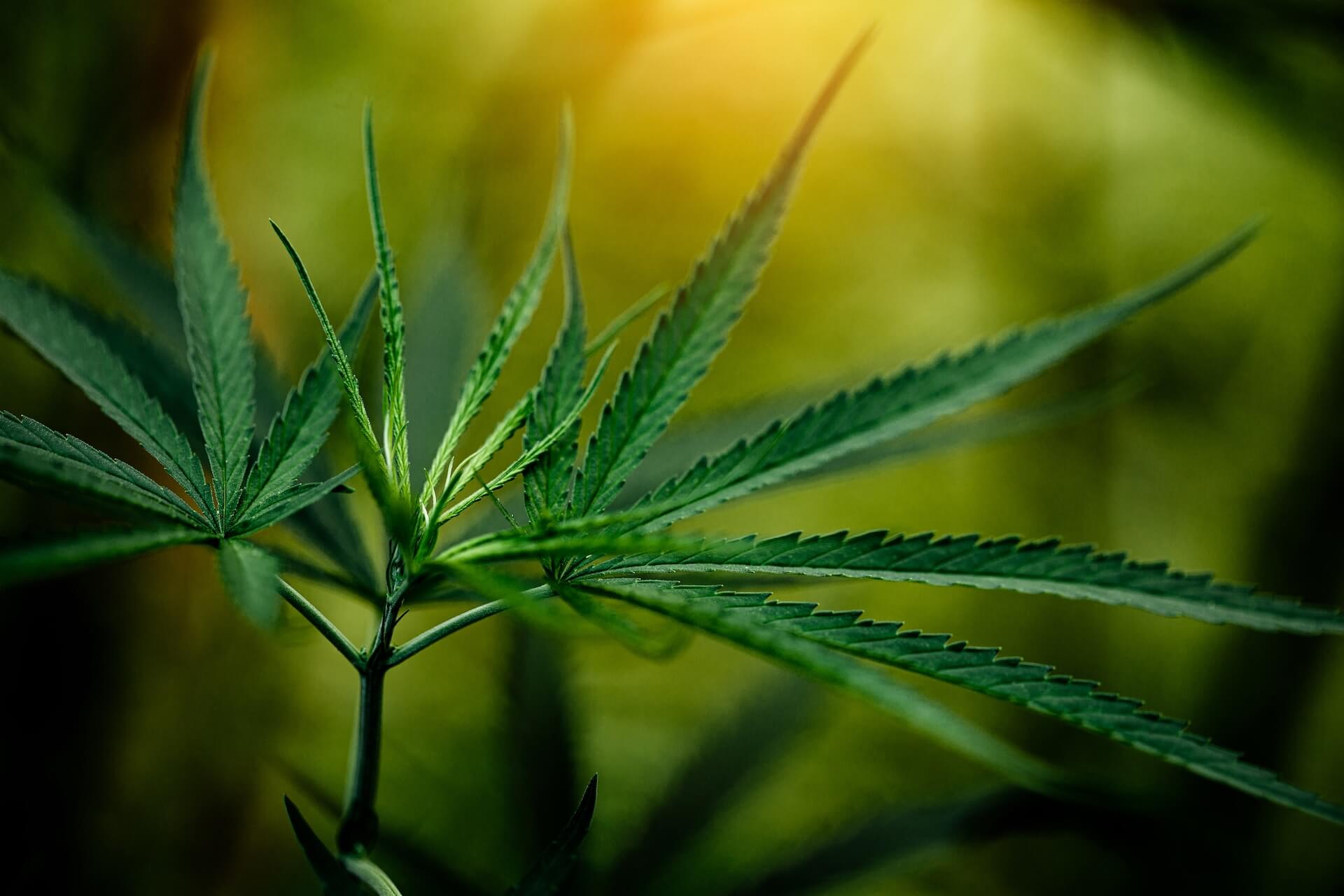
Cannabis is a flowering herb believed to have originated in Central Asia but is now found globally. As early as 2700 BC, there is documented evidence that cannabis was used as a safe and effective therapeutic remedy. Between 1840 and 1900, European and American journals of medicine published more than 100 articles on the therapeutic use of cannabis.
In fact, cannabis was part of the American pharmacopoeia until 1942, and today it is legally available for medical use by prescription in countries such as Germany, the Netherlands, Israel, Italy, Switzerland, Greece, Australia, and Canada.
Cannabis is a versatile plant with several distinct species. Varieties rich in the psychoactive compound THC are typically referred to as marijuana and are used for medicinal and therapeutic purposes. Strains containing only trace amounts of THC are known as hemp, which is cultivated globally for industrial uses such as textiles, rope, paper, and other sustainable materials.
Scientists have identified over 475 chemical compounds in cannabis, including more than 80 biologically active cannabinoids. Of these, the two most widely recognized are THC and CBD.
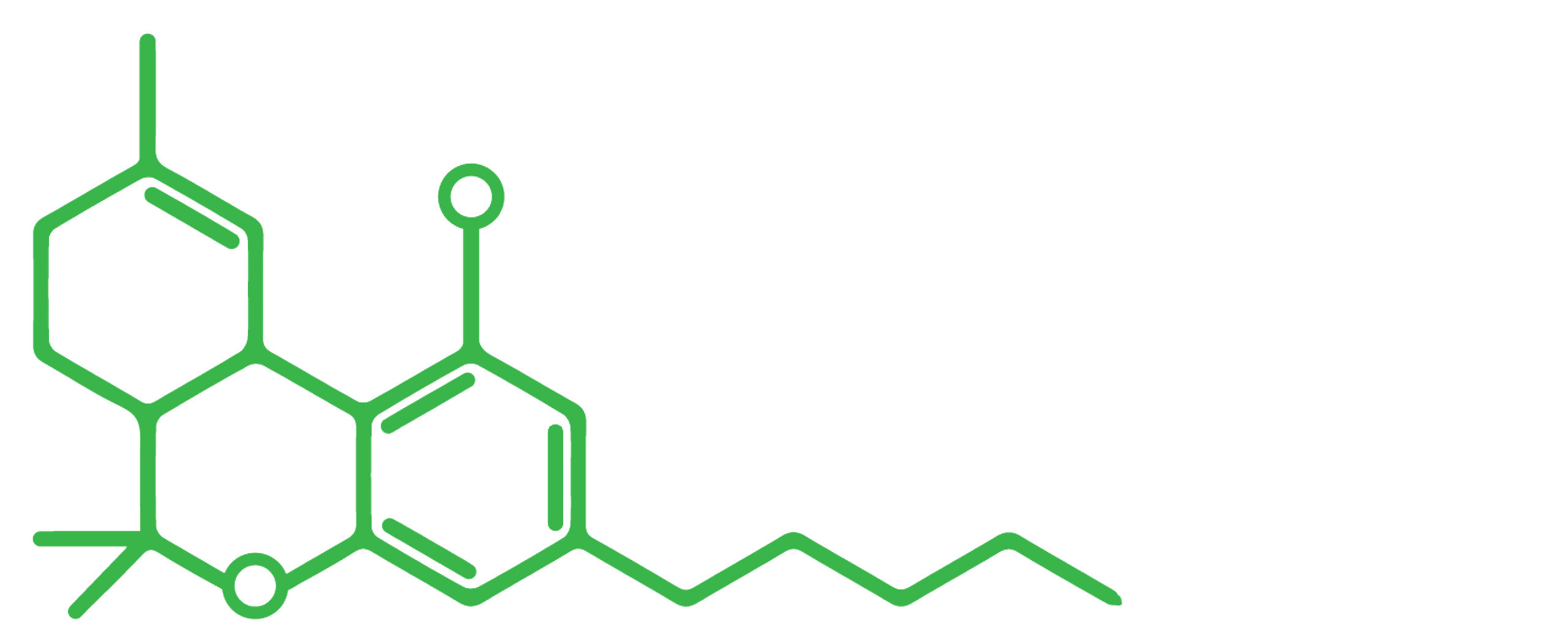
What is THC? (Tetrahydrocanna)
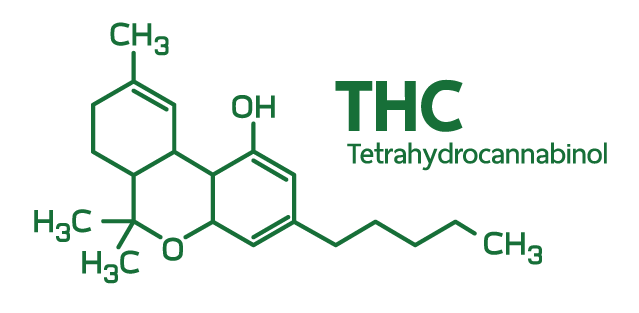
THC is the main psychoactive component in cannabis — the compound responsible for its mind-altering effects. Beyond its reputation for producing a “high,” THC also provides significant medical benefits. It is particularly effective in relieving pain by blocking pain signals in the nervous system, making it useful for chronic and neuropathic pain management.
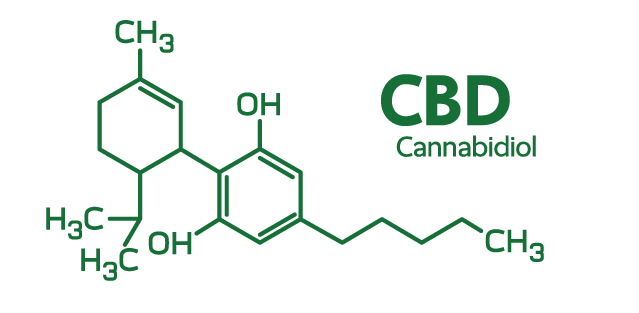
What is CBD? (Cannabidiol)
In contrast, CBD is non-psychoactive and actually helps counterbalance the intoxicating effects of THC. This complementary interaction between the two compounds is one reason medical cannabis can be so therapeutically effective.
CBD is known for its broad range of health benefits. It can help reduce nausea, calm seizures, and relieve inflammation — offering comfort for patients with arthritis and other chronic conditions. Research also suggests CBD may inhibit tumor growth and support mental health by easing symptoms of anxiety and depression.